All Categories
Featured
Table of Contents
Have you believed how much the offered innovations dictate how we live? Calling a good friend on the phone: How much did interaction modification after the mobile phones changed the landlines? Comprehending the innovation waves is crucial for creators and product leaders looking to stay ahead of the curve.
Development cycles are durations of technological and financial change that disrupt existing markets and produce ingenious products. The first wave of development started in the late 18th century with the introduction of water power and fabric production.
Water-powered mills changed the production of paper, fabric, and iron products, causing significant financial growth. Between 1845 and 1900, the second wave was driven by steam power and the rail industry. Railways connected cities, improved trade, and stimulated commercial growth. This era also saw improvements in steel production, even more fueling economic growth.
Key Technical Insights Into Effective Hub Management
It was marked by the large adoption of electricity and the introduction of chemical industries. The 4th wave covered the early to mid-20th century.
In the late 20th century, the fifth wave was characterized by the increase of computers and digital networks. The internet altered information sharing, interaction, and commerce, providing birth to the digital age we reside in today. We are currently in the sixth wave of innovation, driven by expert system (AI), the Web of Things (IoT), robotics, and clean tech.
Understanding development cycles is necessary to build a growing and long-lasting business in a continuously progressing environment. Here's why: By acknowledging the phases of development cycles, services can anticipate market shifts and adapt appropriately.
Development cycles often cause brand-new technologies to enhance effectiveness and drive development. AI-powered tools can improve operations, enhance decision-making, and optimize resource allotment. Clean innovations decrease the cost of operations and dependences on finite resources. Remaining on top of emerging innovations allows companies to satisfy customer needs much better.
The book "Crossing the Gorge" specifies the various phases of innovation adoption using different psychographic profiles. Using the same design for innovation adoption can likewise assist understand the wave of innovation.
Strategic Analyses On Running Cloud HubsUnlocking ROI Through Enterprise Innovation Hubs
The development adoption curve consists of five phases: Innovators are the first to embrace new innovations. These risk-takers are ready to experiment and invest in unverified solutions, setting the phase for wider adoption.
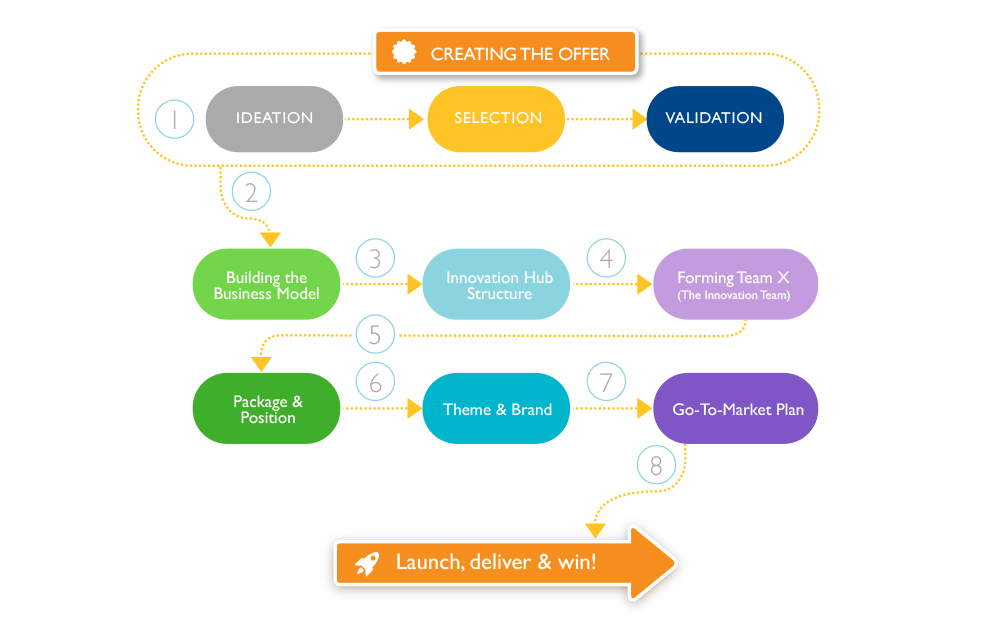
The early bulk represents a significant part of the market. These adopters wait till developments have been proven and evaluated before dedicating.
They may resist modification due to apprehension or absence of resources, eventually adopting developments when they become unavoidable. To effectively execute development in your organization, consider the following steps: Conduct thorough market research to recognize emerging patterns and innovations appropriate to your industry.

Key Strategic Insights Into Effective Hub Management
The Icanpreneur platform can assist you carry out consumer problem interviews following the best industry practices. Develop a clear strategy for incorporating new technologies into your business. This ought to include setting specific objectives, assigning resources, and establishing timelines for execution. Encourage a culture of innovation within your organization. You can achieve such a culture by: promoting imagination, supporting risk-taking, supplying opportunities.
This will assist you remain attuned to customer requirements and preferences, guaranteeing your developments are favored. Work together with market experts, research study organizations, and innovation companies to remain informed about the current improvements. Networking will help you gain access to valuable insights and resources for successful innovation. We prepared a list of 15 YouTube channels about entrepreneurship that you can follow to stay on top of the news.

Latest Posts
Shortening Innovation Cycles in Large Enterprises
Forecasting Your Corporate Infrastructure Ecosystem for 2026
Why Modern Hubs Are Essential in 2026