All Categories
Featured
Enterprises are significantly embracing to balance efficiency, cost, security, and regulative requirements. Key motorists include: Data residency and compliance needs Workload-specific efficiency optimization Preventing supplier lock-in Company continuity and resilience Embrace combined cloud management, focus on interoperability, and enhance cloud expense governance (FinOps).
Handling Intellectual Residential Or Commercial Property Within Shared Research Ecosystems
Core concepts consist of: Never trust, constantly validate Constant authentication and permission Least-privilege gain access to Identity-centric security Re-architect security around identity, endpoint presence, and continuous monitoring rather than relying solely on network defenses. As information generation explodes at the edge, through IoT devices, smart facilities, and real-time systems, processing data more detailed to the source is ending up being crucial.
Manual IT operations are being replaced by. Enterprises are leveraging automation for: Infrastructure provisioning Incident detection and resolution Patch management Service orchestration Integrated with AI, automation is driving quicker resolution times, decreased downtime, and lower operational costs. Standardize procedures, purchase automation platforms, and upskill IT groups to manage and enhance automated environments.
Handling Intellectual Residential Or Commercial Property Within Shared Research Ecosystems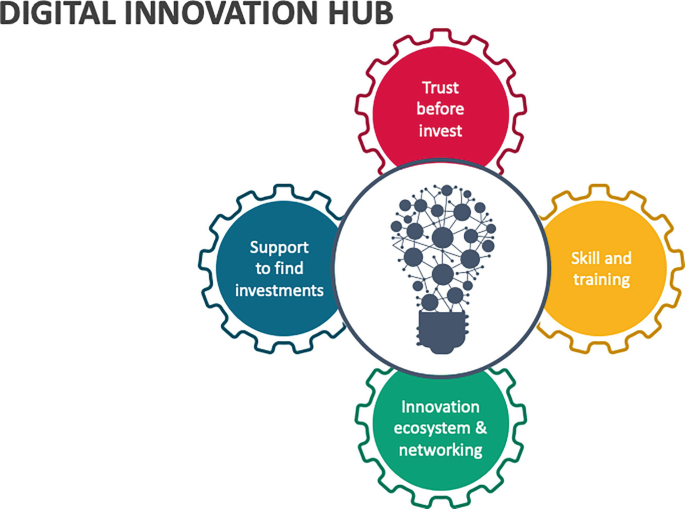
Strong EA helps enterprises: Decrease innovation sprawl Enhance scalability and agility Make notified financial investment choices Handle legacy modernization successfully Deal with enterprise architecture as a constant discipline, closely aligned with leadership, technique, and governance. Environmental duty is becoming a board-level priority. Enterprises are under pressure to lower carbon footprints throughout IT operations, including: Energy-efficient data centers Cloud sustainability reporting Optimized workloads Hardware lifecycle management Procedure IT energy intake, choose sustainable vendors, and integrate sustainability goals into IT method.

Latest Posts
Shortening Innovation Cycles in Large Enterprises
Forecasting Your Corporate Infrastructure Ecosystem for 2026
Why Modern Hubs Are Essential in 2026