All Categories
Featured
Table of Contents
Customer experience will not improve simply because of a brand-new user interface if confusion still exists in the back office. When improvement begins without a clear structure, focus is quickly lost: lots of parallel efforts emerge, none of which reach conclusion.
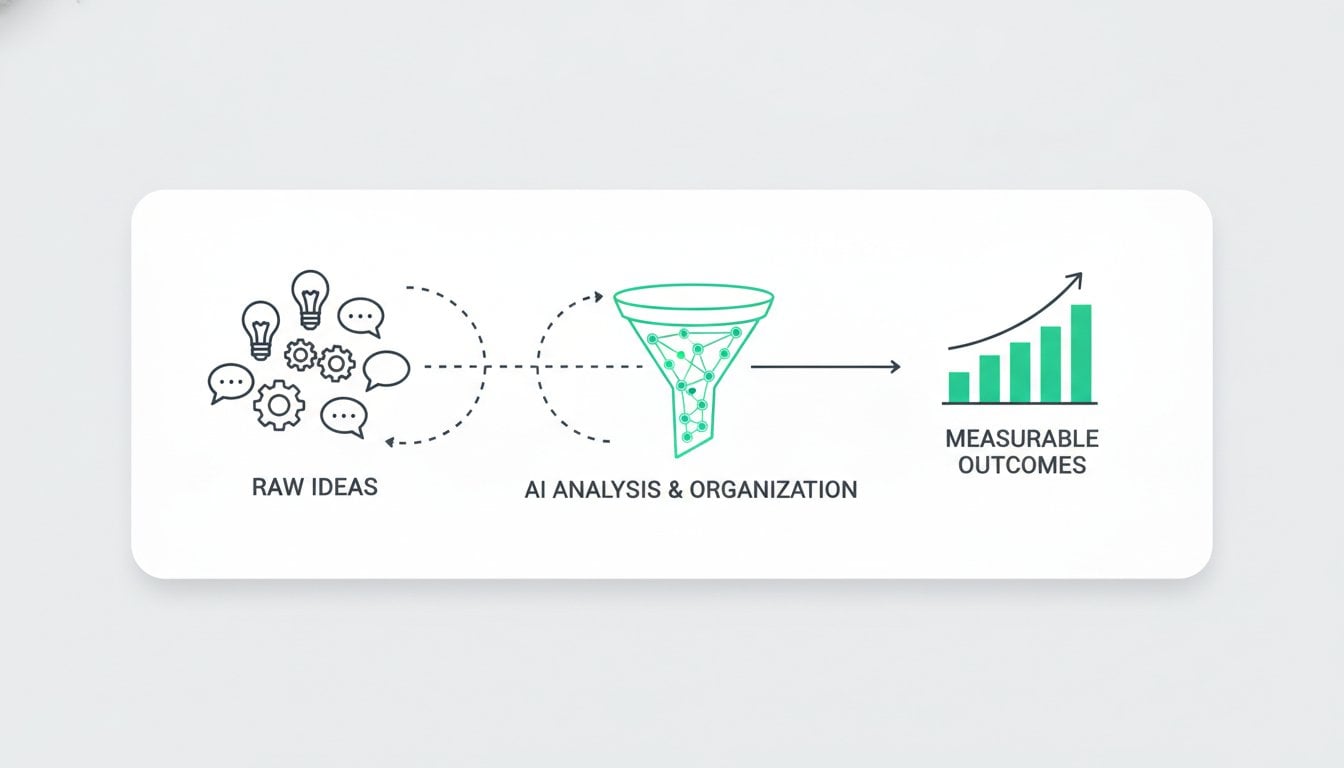
A digital improvement framework is a system of coordinates that makes it possible for handling modification rather than simply responding to issues. This framework must not be a universal design template that works equally well for a caf, an agricultural holding, and an international bank.
You need a sincere review: where time is being wasted, where choices are stalling, which processes depend upon a particular person. After that, you require to set particular, measurable goals. decrease the time to market for a brand-new product from 4 months to 6 weeks; integrate 80% of customer questions into a single CRM; decrease the proportion of manual order processing from 40% to 5%.

Which initiatives are critical, which can be delayed. Where the best impact lies, and where the highest dangers are. It is necessary not to prepare whatever simultaneously. It is better to pick 2 or 3 focus areas and complete them fully than to spread efforts across 10 instructions and finish none.
One of the most typical errors is beginning transformation with the choice of a platform. Technology needs to be an extension of company reasoning, not a different world that only IT professionals inhabit.
Technical Insights for Managing Distributed Innovation
As a result, in practice these frameworks either do not operate at all or lead in a completely various instructions than planned. A solid change structure must be flexible sufficient to adapt to reality, yet rigid sufficient to prevent initiatives from spreading out frantically. A great framework helps maintain focus, track development, and correct course when something fails.
A business might have an excellent strategy, management assistance, and a well-designed presentation. Once implementation begins, due dates slip, decision-makers avoid duty, and teams burn out. What emerges is not transformation, however an unlimited reorganization that everyone quietly feels bitter.
It consists of three phases that can be adjusted to your market, structure, and ambitions. This phase has to do with preparing the ground before building and construction starts. No one sees it, however avoiding it triggers whatever else to collapse. At this phase, there are no new interfaces, no flashy "before/after" slides, and no grand launches.
Future Enterprise Innovation Trends for 2026
There is nothing even worse than moving fast without understanding where you are going. Key objectives of this stage: Not generic statements, but quantifiable expectations: just what must change, which metrics will be impacted, and which choices will become much faster, less expensive, or greater quality. : lower time-to-market for new products from six months to 2; reduce churn among SME clients by 15%; automate 60% of internal requests.
It needs a dedicated team with plainly specified roles, obligations, and resources. The improvement owner must have genuine decision-making authority. You can not develop a new design without comprehending how the old one works. This is where weaknesses surface area: manual Excel files, duplicated work between departments, uncertain guidelines. IT should understand company objectives, and service needs to comprehend technical constraints.
This stage might feel sluggish or ineffective, however in reality it is a financial investment in the speed of subsequent phases. This is the phase where digital change moves from concept to action or to chaos, if concerns are set improperly. This is when the very first noticeable changes appear: systems go live, processes shift, and new rules work.
Scaling Robust Enterprise Hubs for 2026
The crucial mistake at this phase is attempting to do everything at the same time: execute ERP and CRM, automate logistics, upgrade the website, and re-train everybody all at once. Instead of a digital breakthrough, the result is organizational paralysis. What to do instead: Select a couple of priority areas, bring them to measurable outcomes, examine outcomes, lock in modifications, and only then scale.
If the team does not comprehend why modifications are taking place, quiet resistance will follow. Successful implementation is about managing steady changes in daily habits.
Change is a new operating design, and it only really works when it stops being viewed as something different or short-term. What matters at this stage: Not in general terms of "worked or didn't work," but change by modification: impact on speed, expenses, mistakes, sales, and customer complete satisfaction.
If new rules are not working, they must be altered. Versatility matters more than stiff adherence to the initial strategy. The objective of this phase is to move the logic of change to groups and embed it into operational thinking. If changes worked in one unit, they can be scaled.
Essential Tips for Building Advanced Hubs
This is the moment when digital modification stops being a job and enters into everyday operations. This is where true tactical benefit begins. Business often approach us after they have actually currently begun change however got stuck along the way. On the surface, whatever looks like development, however internally there is constant stress and no concrete results.
What to do: begin with a concrete company diagnosis. Clearly define what need to alter and how it will be measured.
Measuring the Success of Sustainability Initiatives in TechThe team continues to work as before, with no changes in culture, processes, or management. In this case, brand-new tools end up being pricey decorations.
Maximizing Corporate R&D ROI for Cloud Hubs
Groups dealing with transformation between other tasks hardly ever reach results. Duty is theoretically shared by everybody, however in practice belongs to nobody. This causes unlimited conversations, postponed choices, and interdepartmental disputes. What to do: allocate a dedicated team, resources, and time. This is a top-priority initiative, not an optional add-on.
A business can change processes, however if people do not rely on the system, resist change, or continue working out of habit, failure is nearly guaranteed. What to do: involve crucial people early. Discuss the reasoning behind changes, guarantee transparent communication, and develop an environment where it is safe to make mistakes, experiment, and adjust.

Latest Posts
Shortening Innovation Cycles in Large Enterprises
Forecasting Your Corporate Infrastructure Ecosystem for 2026
Why Modern Hubs Are Essential in 2026